



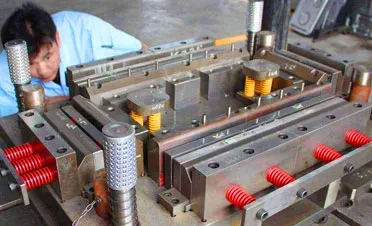

green sand for casting
green sand for casting
Creating green sand for casting involves a fascinating blend of art and science, offering a dynamic entry point into the casting industry for both amateur enthusiasts and seasoned professionals. The process combines the time-honored traditions of metal casting with modern advancements, providing thorough insights into metal work’s malleability and ingenuity. One of the most fundamental aspects of creating high-quality green sand is understanding its composition. Typically, green sand is composed of silica sand, clay, and water, mixed together to form a cohesive, moldable material. The silica sand provides the structural framework, ensuring thermal stability and strength. Bentonite clay, a type of refined clay, acts as the binder and gives the green sand its flexibility and adhesive properties. Water is the final component, facilitating the bonding by activating the clay to envelop the sand particles, further aiding in mold formation. From a practical standpoint, the proportion of these components is critical. A common formula is 90% silica sand, 10% bentonite clay, and 4% water, although these proportions can be adjusted based on specific casting requirements and environmental conditions. Ensuring the proper mixture directly influences the green sand's effectiveness, impacting everything from surface finish to the integrity of the final cast. Creating the perfect blend requires experience and finesse. Start by thoroughly mixing dry sand and bentonite clay until they are evenly distributed. This is best accomplished using a muller, which proficiently turns and mixes the components more effectively than hand mixing. Once the dry components are combined, gradually introduce water while continuously mixing to avoid clumping. The goal is to achieve a consistency resembling damp beach sand, where the mixture can hold its shape without excessive crumbling or becoming overly saturated. A critical factor in making green sand, especially for professionals seeking authoritative quality, is the sand's green compression strength. This property ensures that the mold withstands the forces applied during the casting process. Ideally, green sand should have a compression strength of approximately 1 .5 to 3.5 PSI when appropriately mixed and compacted. Testing this involves compacting a sample into a cylindrical shape and determining the pressure at which it fails. This assessment ensures the green sand maintains shape and detail fidelity under the metallic weight and thermal stress. making green sand for casting After achieving the right consistency and strength, storing your green sand properly extends its usability and effectiveness. It should be kept in a covered container to prevent the loss of moisture and the penetration of contaminants, such as dust and debris. This step is crucial for maintaining its integrity over extended periods. Safety is another significant consideration when making green sand. Always utilize protective gear, such as masks and gloves, to prevent inhalation of fine particles and protect skin from prolonged exposure to clay and sand. Working in a well-ventilated area further mitigates the risk of inhaling any airborne particles. In terms of environmental sustainability—a vital factor in contemporary manufacturing—green sand casting is favorable as materials can be endlessly recycled. Used sand, after a casting process, can be rejuvenated by reconditioning with moisture and binders, reducing waste and lowering the environmental footprint of production facilities. This recycling aspect aligns green sand casting with growing global calls for sustainable industrial practices. Anyone engaged in green sand casting should consider ongoing innovations and expert advice to remain at the forefront of the field. Consultations with industry professionals or participation in advanced workshops can provide insight into evolving methods and materials, helping practitioners refine their craft with authoritative and trusted techniques. Additionally, participating in well-renowned industry forums can foster a collaborative environment where emerging technologies and discoveries enhance both efficiency and craftsmanship. By paying careful attention to the quality of materials, process, safety protocols, and advancements, individuals can produce superior green sand molds that contribute to high-quality castings—demonstrating both expertise and a commitment to the craft's enduring traditions.
-
 2026-06-15 16:53Top Suppliers for Precision Metal Stamping Parts in the Industry TodayPrecision Metal Stamping Parts Suppliers A Critical Component in Modern Manufacturing In today's fast-paced manufacturing landscape, precision metal stamping has emerged as a fundamental process that significantly impacts various industries. From automotive and aerospace to electronics and medical devices, high-quality metal stamped parts are essential for ensuring functionality, durability, and p
 -
 2026-06-15 16:48precision valve servicesPrecision Valve Services are essential for industries that demand exact control over fluid flow, ensuring both safety and efficiency. The services encompass a broad spectrum, from maintenance and repair to calibration and testing, making them crucial for maximizing operational uptime and reliability. Industries such as oil and gas, pharmaceuticals, and manufacturing rely heavily on precision valve
 -
 2026-06-15 16:32sand casting aluminumUnderstanding Sand Casting for Aluminum A Comprehensive Overview Sand casting, a versatile and widely used manufacturing process, has been a cornerstone in metalworking for centuries. Particularly in the realm of aluminum alloy production, sand casting offers distinct advantages that cater to various industrial needs. This article delves into the intricate process of sand casting aluminum, its ben
 -
 2026-06-15 14:34types of sand used in casting pdfTypes of Sand Used in Casting Casting is a crucial manufacturing process that involves pouring molten metal into a mold to create various shapes and components. One of the most critical elements in the casting process is the type of sand used to form the mold, as it significantly influences the quality of the final product. This article will outline the various types of sand commonly used in casti
 -
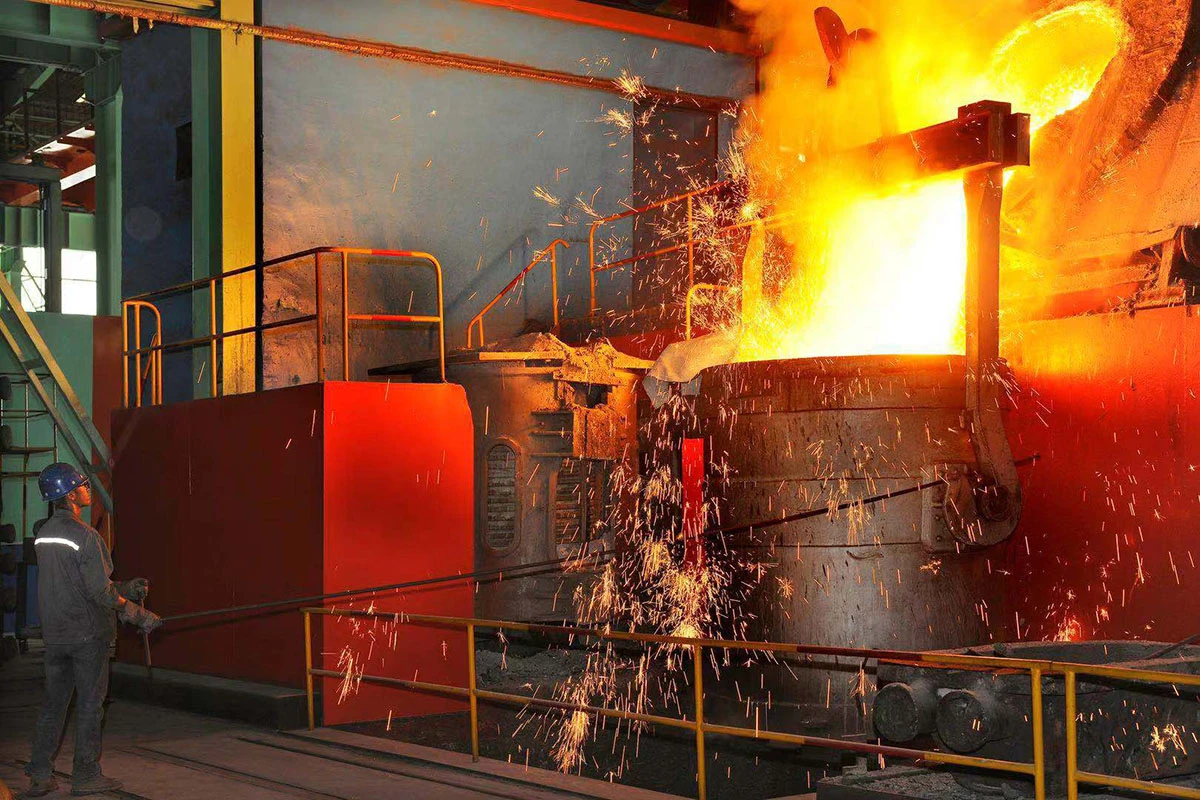 2026-06-15 14:26တိကျမှုကို ဆုံးရှုံးခဲ့တယ်။失蜡铸造(Lost Wax Casting)是一种古老而精确的铸造技术,在珠宝制造、艺术雕塑以及工业部件生产中广泛应用。此种铸造方法以其能实现复杂形状和高细节度而受到重视。以下将探讨失蜡铸造的流程、优点,以及在缅甸市场的应用前景。 失蜡铸造的基本流程包括几个主要步骤。首先,制造一个蜡模,这是铸造过程中最重要的环节之一。蜡模被精确地设计成所需的成品形状,通常采用高质量的蜡材料,以确保模型的细致度。接下来,蜡模被包裹在一种陶瓷或沙子的材料中,形成一个耐高温的外壳。然后,通过加热方法将蜡蒸发掉,留下一个空腔,该空腔正是将要铸造的金属形状。 . 失蜡铸造的主要优点在于其能够实现高精度和复杂形状的铸造。这种方法特别适合制作需要细致花纹和复杂结构的艺术品及高端珠宝。此外,失蜡铸造可以很有效地减少材料浪费,适合小批量生产。相比传统的铸造方法,失蜡铸造通常能提供更好的表面光洁度和更高的尺寸精度,确保每件作